Drill, baby, drill — but we’re not talking about oil. We’re talking about drilling for geothermal energy.
It makes sense that as we look up for more energy solutions (wind, solar) and out toward water, we’d also look down into the earth for the energy that’s naturally occurring beneath us. That energy is geothermal.
Did you know geothermal can be used to generate electricity? Wells can be drilled into the earth to extract this energy in the form of hot water and steam. The fluid is then drawn to the surface and used to drive turbines that produce electricity.
More commonly, geothermal systems are used for heating and cooling within buildings. Geothermal heat pumps are eco-friendly, provide comfortable, reliable heat, and can mean low operating costs for decades — a strong complement to other utility cost-saving strategies owners already use.
What Is Geothermal Energy?
Geothermal energy harnesses the natural heat stored beneath the Earth’s surface. The Earth’s core constantly generates heat through the decay of radioactive elements, and this heat can be tapped using geothermal systems. These systems use the relatively constant temperatures below ground to provide heating, cooling, water heating, and electricity generation. For commercial buildings, geothermal HVAC systems are the most common application, offering an energy-efficient way to maintain comfortable indoor temperatures year-round.
How Does Geothermal Energy Work in Commercial and Apartment Buildings?
In a commercial geothermal system, heat pumps transfer heat between a building and the ground. These systems operate on a closed or open-loop configuration, depending on the site’s geology and the building’s energy needs.
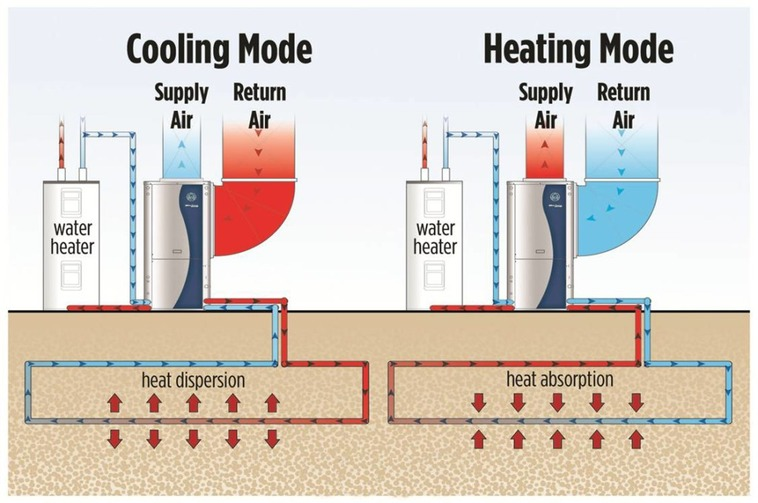
- Closed-loop systems circulate a water or antifreeze solution through pipes buried underground, where the Earth’s consistent temperature warms or cools the fluid. This fluid then circulates back into the building to either absorb heat (for cooling) or release heat (for heating).
- Open-loop systems use groundwater directly from wells, ponds, or lakes, pumped into the system to transfer heat. After use, the water is either returned to its original source or discharged in compliance with environmental regulations.
During winter, geothermal systems extract heat from the ground and pump it into the building; in summer, the system works in reverse, transferring heat from the building into the ground to provide cooling. The heat pump is the central component in this process, ensuring efficient energy transfer and distribution throughout the building.
Geothermal can also be used to heat hot water for use in apartment buildings, along with supplemental uses like heating pool water. Many commercial and apartment buildings are multi-tenant spaces that call for different levels of heating and cooling, separately metered — something that can be accomplished through multiple heat pump units connected into the building’s geothermal underground loop.
Benefits of Geothermal Energy for Commercial Buildings
1. Energy Efficiency and Cost Savings
Geothermal systems are significantly more energy-efficient than conventional HVAC systems, such as gas boilers or electric air conditioners. These systems can reduce energy consumption by up to 50-70%, leading to substantial cost savings on utility bills. Since they rely on stable underground temperatures, geothermal systems are less affected by external weather fluctuations, resulting in consistent performance and less strain on equipment.
In commercial buildings, where HVAC systems account for a large share of energy use, these savings can be significant. The initial installation cost of a geothermal system is higher than a traditional system, but long-term energy savings often offset that upfront investment; in some cases, businesses can recover the cost in less than 10 years through reduced energy bills. Federal tax credits have also been available to help offset the cost of installing geothermal in commercial buildings.
Watch: Geothermal: Takin’ the Chill Off
2. Environmental Benefits
Geothermal energy is a clean, renewable resource that produces little to no greenhouse gas emissions. Unlike traditional HVAC systems that rely on fossil fuels, geothermal systems significantly reduce a building’s carbon footprint, making them attractive for businesses pursuing sustainability goals, reduced energy consumption, and regulatory compliance on efficiency standards.
Geothermal systems also tend to have a longer lifespan than conventional systems: the ground loop can last 50 years or more, and the heat pump itself around 20-25 years, reducing the frequency of replacements.
3. Potential for Dual-Use: Heating and Cooling
One of the most significant advantages of geothermal systems is their ability to both heat and cool a building. This dual-use functionality eliminates the need for separate heating and cooling systems, reducing both the physical space needed for equipment and overall capital expenditure. Geothermal systems can also be combined with other sustainable technologies, such as solar panels, to further enhance a building’s energy efficiency.
Challenges of Implementing Geothermal Systems
1. High Initial Installation Costs
One of the primary barriers to geothermal adoption in commercial buildings is the high upfront cost of installation. Drilling and laying the underground piping required for geothermal systems can be expensive, particularly in densely populated urban areas where space is limited. Initial costs can run two to five times higher than conventional HVAC systems, which can deter some owners from considering it.
However, long-term energy savings and available incentives from government programs, such as tax credits or grants, can help offset these upfront costs. Owners may also be able to tap green financing options to support installation.
2. Site Suitability
The effectiveness of a geothermal system depends on the geological conditions of the site. Buildings in areas with favorable underground conditions, such as stable soil temperatures and accessible water sources, will see greater efficiency from geothermal systems.
Geothermal systems can be horizontal or vertical, depending on available ground space and other factors. Horizontal systems are installed by digging trenches and burying pipes at a depth of 6 to 10 feet; they’re more common in rural areas with more space, though they can be used in urban or suburban areas too, and are less expensive to install since digging trenches is cheaper than drilling boreholes. Vertical systems are installed by drilling holes and inserting pipes; they’re often used in large commercial buildings or areas without enough space for horizontal systems, and tend to be more efficient since greater depths provide a more constant temperature.
3. Maintenance and Expertise
While geothermal systems generally require less maintenance than conventional HVAC systems, they do require specialized knowledge for installation and upkeep. Proper maintenance is crucial to long-term efficiency, particularly for underground components that aren’t easily accessible. Owners will need to work with experienced contractors and technicians familiar with geothermal technology to ensure proper installation and operation.
Conclusion
Only a small fraction of the world’s geothermal potential has been tapped so far, but geothermal power has real potential to meet a meaningful share of global energy demand in the decades ahead.
If you’re building or retrofitting a building in the future, consider geothermal as a long-term solution for a more efficient energy strategy.
Many of the investors we work with appreciate our shared desire to create long-term wealth while serving our community with quality solutions. Contact us today to join forces for your future.